
Crypto Backed by Silver: Stability in Digital Markets

More than 30 percent of American investors say confusion around digital assets holds them back from exploring new opportunities. The rise of silver-backed cryptocurrencies adds another layer of complexity, mixing trusted precious metals with the innovative appeal of blockchain. If you are curious about how these tokens work, what sets them apart from regular cryptocurrencies, and whether they offer real stability, this guide breaks down facts and clears up common misconceptions.
Table of Contents
- Silver-Backed Crypto Explained and Debunked
- Types of Silver-Backed Digital Assets
- How Silver-Backed Tokens Maintain Value
- Regulation, Audits, and Investor Protections
- Risks, Costs, and Alternate Asset Comparisons
Key Takeaways
| Point | Details |
|---|---|
| Investing in Silver-Backed Cryptocurrencies | These tokens link digital assets to physical silver reserves, potentially reducing volatility compared to traditional cryptocurrencies. |
| Verification and Security | Investors should prioritize tokens with transparent verification processes, professional storage, and clear redemption mechanisms. |
| Market Dynamics and Risks | Awareness of market volatility, custody costs, and redemption limitations is crucial for informed investment decisions. |
| Regulatory Compliance | Ensure that silver-backed tokens adhere to regulatory standards to protect investments and maintain market integrity. |
Silver-Backed Crypto Explained and Debunked
Silver-backed cryptocurrencies represent a fascinating intersection between traditional precious metals and modern digital assets, offering investors a unique approach to cryptocurrency investment. Unlike standard digital currencies that rely solely on blockchain technology, these tokens are directly linked to physical silver reserves, providing a tangible asset foundation that can potentially mitigate volatility risks.
The underlying concept involves tokenizing silver reserves, where each digital token corresponds to a specific quantity of physical silver stored in secure vaults. Researchers analyzing stablecoin mechanisms have demonstrated that precious metal-backed tokens can offer more stability compared to traditional cryptocurrency models. This approach addresses one of the primary concerns in digital asset markets: unpredictable price fluctuations.
Investors considering silver-backed cryptocurrencies should understand several critical components:
- Physical Asset Verification: Reputable silver-backed tokens provide transparent documentation of actual silver reserves
- Storage and Custody: Professional third-party vault management ensures asset security
- Liquidity Mechanisms: Tokens must offer clear redemption processes for physical silver
- Regulatory Compliance: Adherence to financial regulations provides additional investor protection
While silver-backed cryptocurrencies present an innovative investment strategy, they are not without potential limitations. Market demand, silver price volatility, and storage costs can impact token value. Investors must conduct thorough due diligence, understanding both the technological infrastructure and the underlying precious metal market dynamics.
Pro Investor Tip: Always request comprehensive documentation about the silver reserves, verification processes, and redemption mechanisms before investing in any silver-backed cryptocurrency token.
Types of Silver-Backed Digital Assets
The landscape of silver-backed digital assets encompasses several sophisticated financial instruments designed to bridge traditional precious metal investing with modern blockchain technology. Comprehensive investor guides reveal multiple categories of digital assets that leverage silver’s inherent value as a stabilizing mechanism for cryptocurrency investments.
Primary types of silver-backed digital assets include:
- Tokenized Silver Certificates: Digital tokens representing direct ownership of physical silver stored in secure vault facilities
- Silver-Collateralized Stablecoins: Cryptocurrency tokens with guaranteed silver reserve backing
- Hybrid Digital Assets: Blockchain tokens that combine silver reserves with additional investment mechanisms
- Fractional Silver Investment Tokens: Allowing investors to own small portions of silver through digital platforms
Each silver-backed digital asset type offers unique advantages for investors seeking alternative investment strategies. Tokenized silver certificates provide direct silver ownership with enhanced liquidity, while silver-collateralized stablecoins offer price stability through precious metal reserves. Hybrid digital assets introduce complex investment structures that combine traditional and digital asset characteristics.

Here’s how key types of silver-backed digital assets compare:
| Asset Type | Ownership Structure | Price Stability | Redemption Method |
|---|---|---|---|
| Tokenized Silver Certificates | Direct individual silver claim | Moderate | Physical delivery or cash |
| Silver-Collateralized Stablecoins | Collective silver pool backing | High | Token burn for silver equivalent |
| Hybrid Digital Assets | Silver plus added mechanisms | Varies by structure | Flexible, may include smart contracts |
| Fractional Silver Investment Tokens | Shared small silver allocations | Moderate | Platform-based partial redemption |
Investors must carefully evaluate these digital assets by analyzing several critical factors:
- Transparency of silver reserves
- Redemption mechanisms
- Storage and security protocols
- Regulatory compliance
- Historical price performance
Pro Investment Strategy: Always verify the precise silver backing ratio and independent audit documentation before committing funds to any silver-backed digital asset investment.
How Silver-Backed Tokens Maintain Value
Silver-backed tokens represent a sophisticated financial innovation designed to provide stability in the volatile cryptocurrency marketplace. Recent academic research on stablecoin mechanisms reveals complex strategies that these digital assets employ to maintain consistent value through direct precious metal association.
The primary value maintenance mechanisms for silver-backed tokens include:
- Reserve Ratio Management: Maintaining a precise 1:1 or better silver-to-token ratio
- Regular Asset Auditing: Conducting transparent third-party verifications of silver reserves
- Dynamic Pricing Algorithms: Implementing real-time price tracking of silver market values
- Redemption Guarantees: Offering investors the option to exchange tokens for physical silver
These tokens create value stability through multiple interconnected strategies. The physical silver backing provides an intrinsic value floor, unlike purely speculative cryptocurrencies. Comprehensive studies on stablecoin performance demonstrate that asset-backed tokens can significantly reduce price volatility by directly linking digital representations to tangible precious metal reserves.
Investors should evaluate silver-backed tokens by examining:
- Transparency of reserve holdings
- Frequency of independent audits
- Redemption mechanisms
- Storage and insurance protocols
- Regulatory compliance standards
Pro Investment Insight: Verify the precise silver backing ratio and independent audit documentation before investing in any silver-backed digital asset to ensure genuine value preservation.
Regulation, Audits, and Investor Protections
Comprehensive global regulatory frameworks are transforming the landscape of silver-backed cryptocurrency investments, establishing rigorous standards to protect investors and ensure market integrity. These evolving regulatory mechanisms address the unique challenges presented by digital assets linked to precious metal reserves.
Key regulatory protections for silver-backed tokens include:
- Mandatory Reserve Verification: Requiring regular third-party audits of physical silver holdings
- Transparent Reporting: Demanding detailed disclosure of token backing and reserve ratios
- Investor Safeguard Mechanisms: Implementing redemption guarantees and asset traceability
- Compliance Standards: Establishing strict anti-money laundering and know-your-customer protocols
Stablecoin regulatory approaches have become increasingly sophisticated, focusing on creating robust frameworks that protect investor interests. These regulations aim to prevent market manipulation, ensure accurate asset representation, and provide clear mechanisms for token valuation and redemption.
Investors should carefully evaluate several critical regulatory compliance factors:
- Jurisdiction of token issuance
- Frequency and independence of asset audits
- Legal recourse mechanisms
- Regulatory body oversight
- Transparency of reserve management
Pro Investor Protection Strategy: Always verify the regulatory compliance status and independent audit trail of any silver-backed digital asset before making an investment commitment.
Risks, Costs, and Alternate Asset Comparisons
Comprehensive cryptocurrency market research reveals the complex landscape of digital assets, highlighting the unique risk profile of silver-backed tokens compared to traditional investment vehicles. Understanding these risks requires a nuanced approach that balances potential returns with inherent market uncertainties.
Key risks and cost considerations for silver-backed digital assets include:
- Market Volatility: Silver price fluctuations directly impact token value
- Custody Expenses: Ongoing costs for secure physical silver storage and management
- Redemption Limitations: Potential restrictions on converting tokens to physical silver
- Regulatory Uncertainty: Evolving legal frameworks can impact token utility
- Transaction Costs: Fees associated with token trading and transfer
Comparative financial analyses demonstrate that silver-backed tokens occupy a unique position between traditional precious metal investments and speculative cryptocurrencies. Unlike pure digital assets, these tokens provide a tangible value foundation through physical silver reserves, potentially offering more stability than purely digital alternatives.
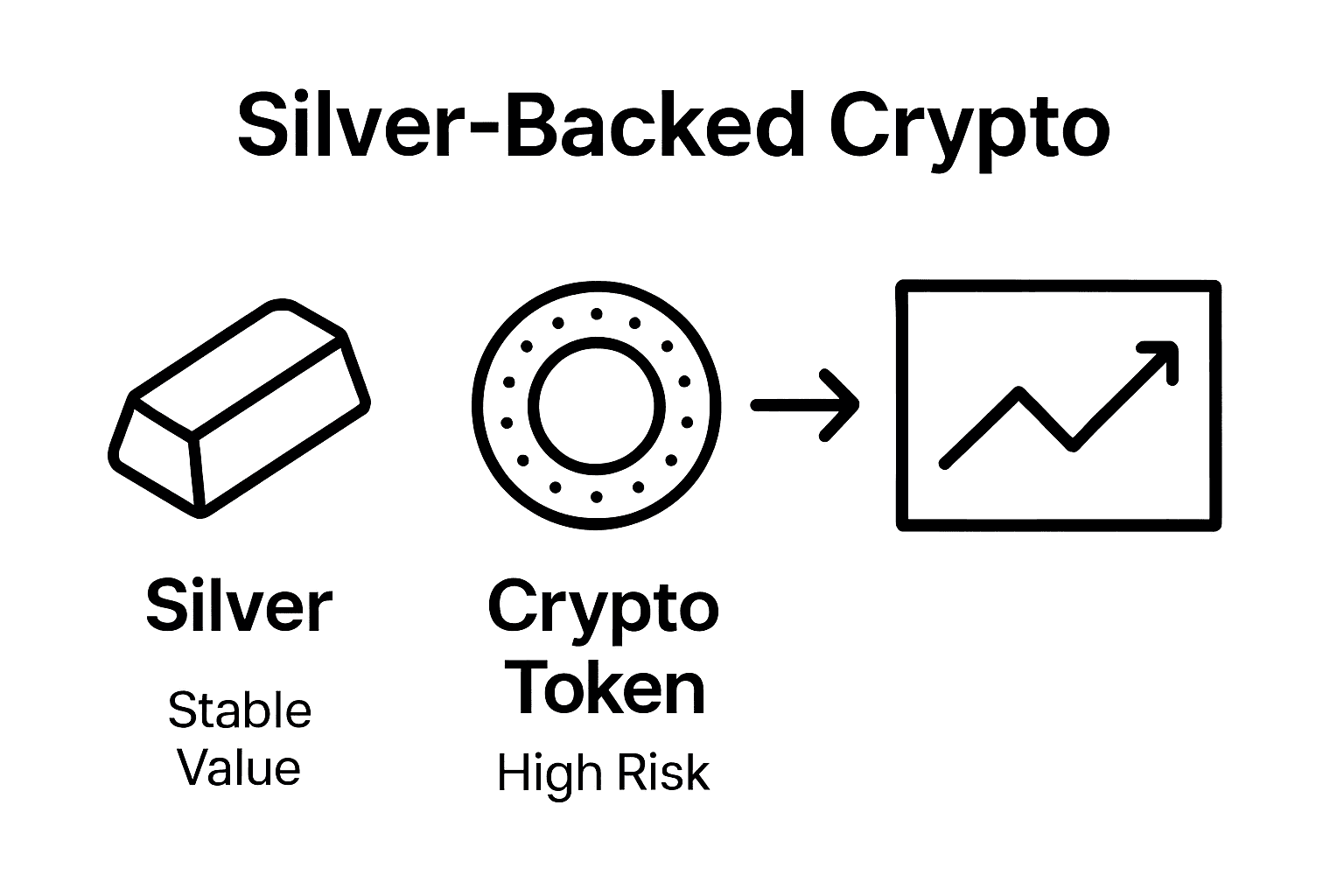
Below is a comparison of silver-backed tokens with traditional assets:
| Feature | Silver-Backed Tokens | Physical Silver | Regular Cryptocurrencies |
|---|---|---|---|
| Backing | Physical silver reserves | Tangible metal bars/coins | No physical asset underpinning |
| Volatility | Lower than crypto, tracks silver | Follows silver market | Highly market-driven and volatile |
| Liquidity | Exchangeable on select platforms | Sold via bullion dealers | High liquidity on many exchanges |
| Storage & Security | Vaults managed by third parties | Personal safe or deposit box | Digital wallets, no physical risk |
Investors should carefully compare silver-backed tokens against alternative assets by examining:
- Long-term price performance
- Liquidity characteristics
- Storage and maintenance costs
- Potential tax implications
- Relative market volatility
Pro Investment Insight: Develop a comprehensive risk assessment strategy that considers both the unique advantages and potential limitations of silver-backed digital assets before making investment decisions.
Discover Stability in Digital Markets with Silver-Backed Tokens from Maya Preferred
The article highlights challenges many investors face navigating the crypto market’s unpredictability and volatility. If you are concerned about price swings, unclear asset verification, or the risks tied to traditional cryptocurrencies, silver-backed tokens offer a promising solution. These tokens combine the tangible security of physical silver with cutting-edge blockchain technology to provide real asset backing, transparency, and regulated protection. Terms like “reserve verification,” “redemption guarantees,” and “regulatory compliance” are essential to your peace of mind as an investor seeking authentic value and stability.
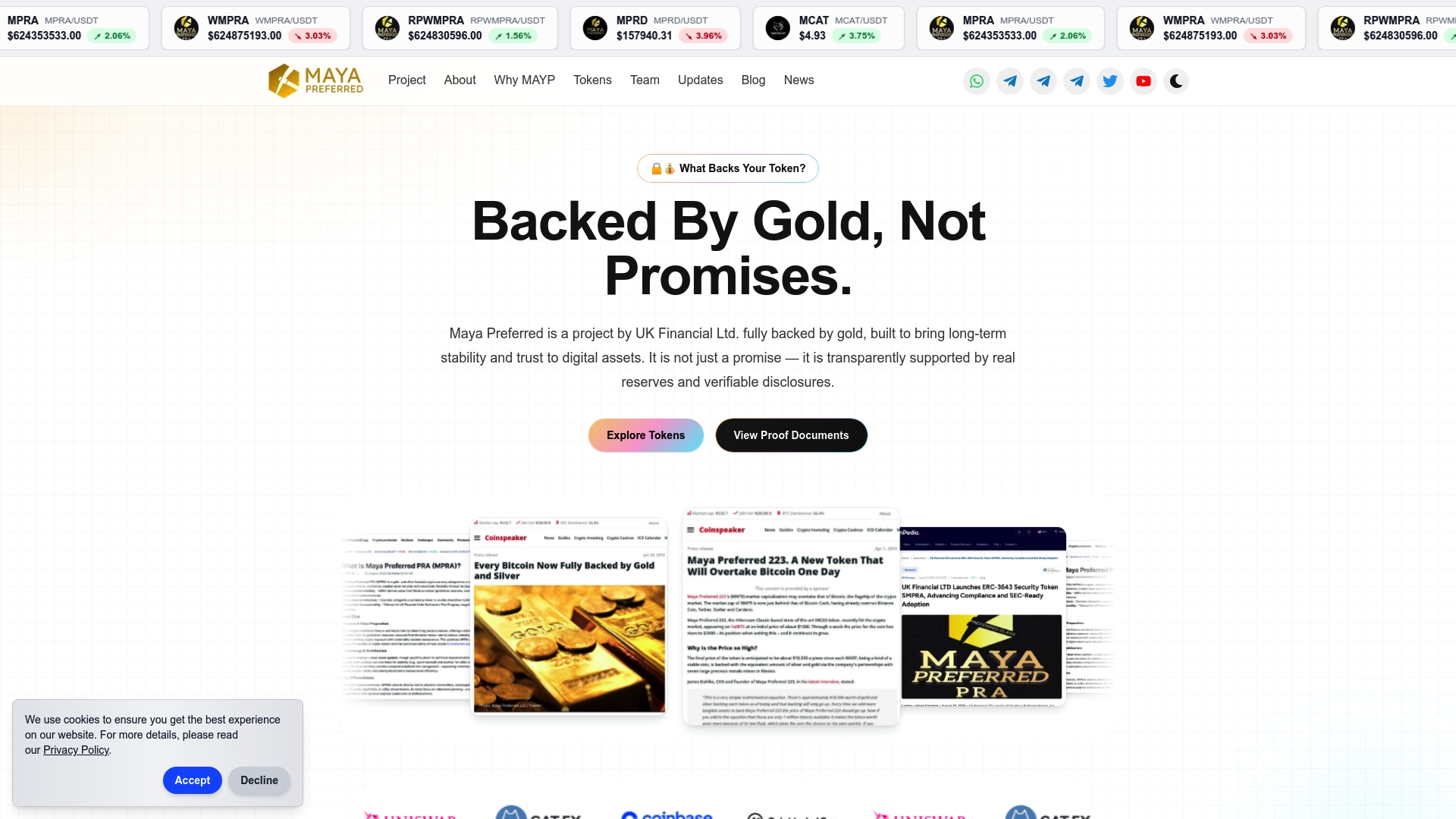
Maya Preferred is committed to bridging the gap between precious metals and digital finance with tokens like MPRA, MPRD, and MCAT fully supported by verified gold and silver reserves. We offer comprehensive audit documentation, transparent disclosures, and a regulated framework designed to build investor trust and confidence. Don’t let market volatility hold you back. Take control of your portfolio by exploring our blockchain-backed silver and gold assets today. Visit Maya Preferred official site to review detailed reserve information, join our community updates, and start investing in a stable crypto future with real precious metals backing. Explore how asset-backed digital tokens turn market uncertainty into opportunity at Discover Asset-Backed Tokens and learn more about our transparent mining and reserve projects.
Choose smart stability now with Maya Preferred and secure your investment in crypto that stands on real silver.
Frequently Asked Questions
What are silver-backed cryptocurrencies?
Silver-backed cryptocurrencies are digital tokens that are directly linked to physical silver reserves, offering a stable investment option compared to traditional volatile cryptocurrencies.
How do silver-backed tokens maintain their value?
Silver-backed tokens maintain their value through various mechanisms, including reserve ratio management, regular asset auditing, dynamic pricing algorithms, and redemption guarantees for physical silver.
What types of silver-backed digital assets are available?
Types of silver-backed digital assets include tokenized silver certificates, silver-collateralized stablecoins, hybrid digital assets, and fractional silver investment tokens, each offering unique investment advantages.
What risks are associated with investing in silver-backed tokens?
Risks include market volatility, custody expenses for secure silver storage, redemption limitations, regulatory uncertainty, and transaction costs associated with trading the tokens.