
Asset-Backed Crypto: Bridging Gold and Blockchain

Most American investors searching for stability in the world of cryptocurrency face confusion over what truly backs a digital asset. With over 80 percent of crypto assets lacking real-world collateral, understanding asset-backed crypto is more important than ever. This guide reveals how asset-backed tokens work, highlights the safeguards behind them, and cuts through myths to help you spot which digital currencies actually deliver on safety and transparency.
Table of Contents
- Asset-Backed Crypto Defined and Debunked
- Types of Asset-Backed Tokens and Key Distinctions
- How Real-World Assets Back Digital Tokens
- Transparency, Audits, and Regulatory Compliance
- Investor Risks, Security, and Market Comparisons
Key Takeaways
| Point | Details |
|---|---|
| Asset-Backed Cryptocurrency Offers Stability | These cryptocurrencies provide a more stable alternative to traditional cryptocurrencies by anchoring their value to tangible assets. |
| Types of Tokens Provide Diverse Opportunities | Investors can choose from various token types like commodity-backed, real estate-backed, and precious metal-backed, each with unique benefits. |
| Due Diligence is Essential for Investors | Always verify asset reserves and request independent audits before investing in asset-backed tokens to ensure legitimacy. |
| Transparency and Compliance are Crucial | Platforms should maintain robust auditing and transparent documentation to build trust and protect investor interests. |
Asset-Backed Crypto Defined and Debunked
Asset-backed cryptocurrency represents a groundbreaking financial innovation bridging traditional assets with digital technologies. These digital tokens derive their value from real-world tangible assets like gold, silver, real estate, or commodities, offering investors a more stable alternative to traditional volatile cryptocurrencies.
At its core, an asset-backed cryptocurrency functions by linking digital tokens to physical assets, creating a direct connection between the digital token’s value and its underlying physical reserves. This approach fundamentally differs from traditional cryptocurrencies like Bitcoin, which derive value purely from market speculation and limited supply. By anchoring digital tokens to measurable, quantifiable assets, these cryptocurrencies aim to provide enhanced stability and reduced price volatility.
The mechanism behind asset-backed cryptocurrencies involves several critical components. First, a specific quantity of a physical asset (such as gold or silver) is securely stored and verified. Then, digital tokens are issued that represent a precise fractional ownership of that asset. Each token’s value directly correlates with the current market value of the underlying asset, creating a transparent and traceable investment instrument. This structure offers multiple advantages:
- Reduced Volatility: Unlike traditional cryptocurrencies, asset-backed tokens have intrinsic value
- Enhanced Transparency: Clear documentation of asset reserves
- Lower Speculative Risk: Direct connection to tangible assets
- Potential for Easier Regulatory Compliance: More aligned with traditional financial frameworks
Investor Protection Pro Tip: Always verify the actual asset reserves and third-party audit documentation before investing in any asset-backed cryptocurrency. Request comprehensive proof of physical asset holdings and independent verification to ensure the legitimacy of the token’s underlying value proposition.
Types of Asset-Backed Tokens and Key Distinctions
Asset-backed tokens represent a sophisticated financial innovation that transforms how investors interact with digital and physical assets. Digital claims on physical assets range across multiple categories, each offering unique characteristics and investment potential. Understanding these variations is crucial for making informed investment decisions in the evolving digital asset landscape.

Primary types of asset-backed tokens include commodity-backed, real estate-backed, and precious metal-backed tokens. Commodity-backed tokens derive value from tangible resources like oil, agricultural products, or industrial metals. Real estate-backed tokens represent fractional ownership in physical properties, enabling investors to access real estate markets with lower entry barriers. Precious metal-backed tokens, such as gold and silver tokens, provide a direct link to traditional safe-haven assets, offering stability and intrinsic value.
Each token type carries distinct characteristics that impact investment strategy:
Here’s how major asset-backed token types compare in utility and investor benefits:
| Token Type | Typical Underlying Asset | Key Investor Benefit | Common Use Case |
|---|---|---|---|
| Commodity-backed | Oil, industrial metals | Portfolio diversification | Hedging inflation risk |
| Real estate-backed | Residential or commercial | Access to property market | Real estate portfolio building |
| Precious metal-backed | Gold, silver | Preservation of asset value | Safe-haven asset exposure |
-
Commodity Tokens
- Direct link to physical resource values
- Potential for portfolio diversification
- Lower transaction costs compared to traditional commodity trading
-
Real Estate Tokens
- Fractional property ownership
- Increased liquidity for traditionally illiquid assets
- Reduced minimum investment requirements
-
Precious Metal Tokens
- Direct correlation with physical metal reserves
- Enhanced transparency in asset tracking
- Potential hedge against economic volatility
Investment Strategy Pro Tip: Conduct thorough due diligence on the token’s underlying asset verification process. Always request comprehensive documentation proving the token’s physical asset reserves and independent third-party audit reports to validate the token’s actual value proposition.
How Real-World Assets Back Digital Tokens
The process of backing digital tokens with real-world assets represents a revolutionary approach to financial innovation, transforming how investors perceive and interact with digital investments. Indirect tokenization creates new financial instruments that enable fractional ownership and enhance the liquidity of traditionally illiquid assets, bridging the gap between physical and digital markets.
At the core of asset-backed tokenization lies a sophisticated mechanism of asset representation and verification. A two-tier tokenization architecture emerges as a groundbreaking approach, introducing ‘Element Tokens’ and ‘Everything Tokens’ that allow for granular and comprehensive asset representation. This innovative framework enables investors to own either standardized components or entire assets, dramatically increasing market accessibility and investment flexibility.
The tokenization process typically involves several critical steps:
-
Asset Verification
- Comprehensive physical asset evaluation
- Independent third-party auditing
- Precise documentation of asset characteristics
-
Token Creation
- Digital representation of asset value
- Smart contract development
- Establishing clear ownership rights
-
Compliance and Regulation
- Adherence to financial regulatory standards
- Transparent reporting mechanisms
- Investor protection protocols
Risk Management Pro Tip: Always conduct thorough due diligence on the token’s underlying asset verification process. Request comprehensive documentation that includes detailed asset reserves, independent audit reports, and clear mechanisms for token redemption to ensure the legitimacy and stability of your digital asset investment.
Transparency, Audits, and Regulatory Compliance
Transparency serves as the fundamental cornerstone of asset-backed digital tokens, establishing trust and credibility in an evolving financial ecosystem. Digital representations of assets on distributed ledger technology demand rigorous verification processes to ensure investor confidence and maintain market integrity. By implementing comprehensive audit mechanisms, asset-backed token platforms can effectively bridge the gap between traditional financial systems and innovative blockchain technologies.
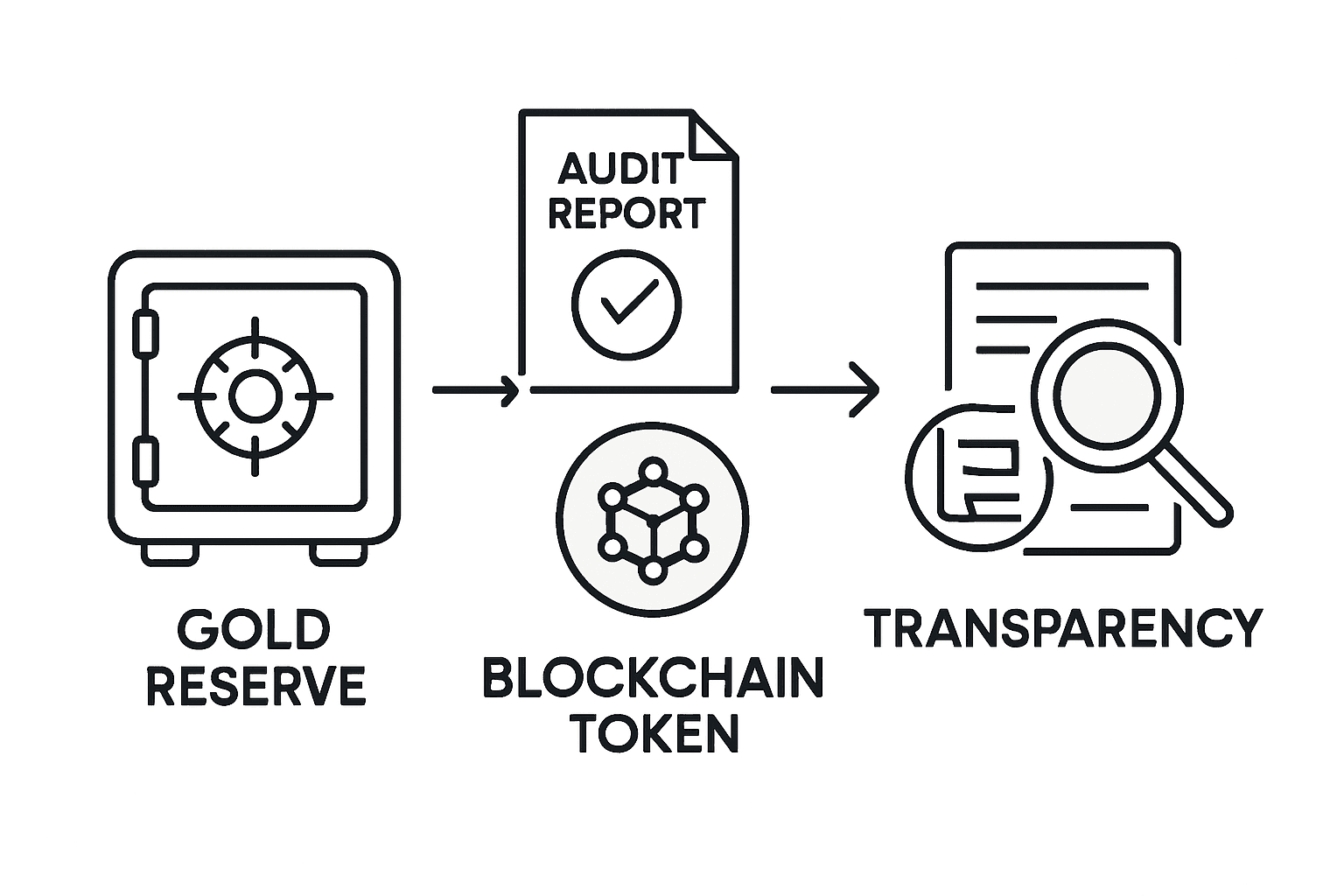
Legal structures of tokenized assets require intricate intermediary layers that necessitate clear regulatory frameworks and robust compliance protocols. These mechanisms protect investors by establishing transparent documentation, verifiable asset reserves, and standardized reporting requirements. The multilayered approach allows for precise tracking of asset ownership, value fluctuations, and comprehensive risk assessment.
Key components of effective transparency and compliance include:
Key transparency and compliance requirements for asset-backed tokens include:
| Requirement | Description | Impact on Investors |
|---|---|---|
| Independent auditing | Regular third-party asset checks | Builds trust and credibility |
| Transparent documentation | Open access to reserve and audit records | Enables informed decision-making |
| Ongoing regulatory reporting | Frequent updates to regulatory authorities | Reduces compliance risk |
-
Comprehensive Audit Requirements
- Regular third-party asset verification
- Detailed reserve documentation
- Transparent reporting mechanisms
-
Regulatory Compliance
- Adherence to financial regulatory standards
- Clear ownership documentation
- Investor protection protocols
-
Technological Verification
- Blockchain-based tracking systems
- Immutable transaction records
- Real-time asset valuation mechanisms
Investor Protection Pro Tip: Prioritize platforms that provide comprehensive, independently verified documentation of their asset reserves. Request detailed audit reports, verify the frequency of third-party assessments, and ensure the platform maintains transparent, accessible records of asset backing and token valuation.
Investor Risks, Security, and Market Comparisons
Asset-backed digital tokens represent a sophisticated investment approach that demands comprehensive risk assessment and strategic understanding. Tokenized assets introduce unique legal and regulatory complexities that investors must carefully evaluate when comparing them to traditional investment vehicles. These digital assets require a nuanced approach to risk management that goes beyond conventional investment strategies.
The security landscape for asset-backed tokens involves multiple layers of potential risks and protective mechanisms. Investors must consider technological vulnerabilities, regulatory uncertainties, and the underlying asset’s market dynamics. Unlike traditional securities, these tokens combine blockchain technology’s innovative potential with the tangible value of physical assets, creating a unique risk profile that demands sophisticated assessment techniques.
Key risk categories and comparative factors include:
-
Technological Risks
- Blockchain infrastructure vulnerabilities
- Smart contract potential failures
- Cybersecurity exposure
-
Market Comparison Factors
- Volatility compared to traditional assets
- Liquidity potential
- Transaction cost efficiency
-
Regulatory Considerations
- Compliance complexity
- Jurisdictional legal variations
- Investor protection frameworks
Investment Defense Pro Tip: Develop a comprehensive due diligence checklist that evaluates technological infrastructure, asset verification processes, regulatory compliance, and the platform’s track record before committing capital. Always allocate only a calculated percentage of your investment portfolio to these emerging digital assets to manage potential downside risks.
Secure Your Investment with Transparent Gold and Silver-Backed Tokens
Navigating the complex world of asset-backed cryptocurrencies requires trust and clear proof of real-world value. The article highlights the challenge of verifying underlying reserves and ensuring ongoing transparency to reduce volatility and speculative risks. If you want to confidently invest in gold and silver-backed digital assets anchored by verified physical reserves and supported by detailed audits, you deserve a solution that prioritizes transparency and regulatory compliance.
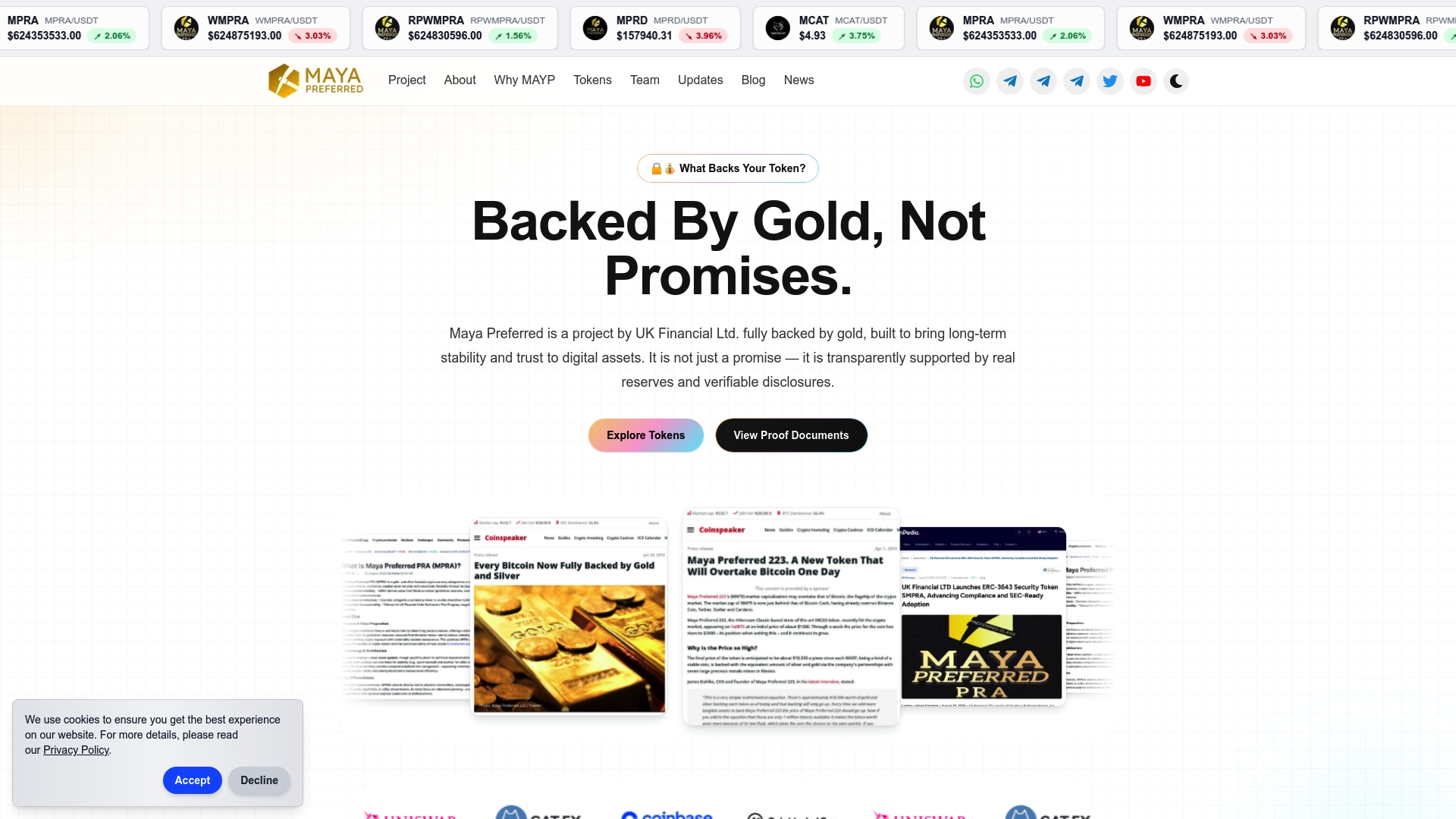
Discover Maya Preferred’s blockchain project that bridges precious metals and digital innovation. With tokens like MPRA and MPRD, backed by tangible gold and silver reserves and mining projects, Maya Preferred offers you direct access to secure, asset-backed crypto. Explore extensive documentation, audit reports, and legal disclosures at Maya Preferred and join a community focused on long-term stability and credible digital asset investments. Visit us now to protect your portfolio with trusted asset-backed tokens and take part in the future of investment.
Take the next step and learn more about how precious metal-backed tokens work at Maya Preferred. Start building a resilient portfolio with clear real-world transparency today.
Frequently Asked Questions
What is asset-backed cryptocurrency?
Asset-backed cryptocurrency is a digital token that derives its value from real-world tangible assets, such as gold, silver, or real estate, providing more stability compared to traditional cryptocurrencies.
How do asset-backed tokens function?
Asset-backed tokens are issued based on a specific quantity of a physical asset that is securely stored and verified. Each token represents fractional ownership of that asset, linking the token’s value to the market value of the underlying asset.
What are the advantages of investing in asset-backed crypto?
Investing in asset-backed crypto offers reduced volatility, enhanced transparency, lower speculative risk, and potential for easier regulatory compliance due to their intrinsic value linked to tangible assets.
What are the different types of asset-backed tokens?
The main types of asset-backed tokens include commodity-backed tokens (linked to resources like oil or metals), real estate-backed tokens (representing ownership in real estate), and precious metal-backed tokens (such as gold or silver).